New Recovery Movement
About New Recovery Advocacy Movement (NRAM)
A grassroots movement led by people in addiction recovery and their allies, focused on:
– Changing public & professional views on recovery
– Promoting recovery-focused policies
– Breaking cycles of addiction
Launched in the late 1990s in response to:
– Stigma and criminalization of addiction
– Pessimism about recovery
– Lack of community support
It was sparked by local Recovery Community Organizations (RCOs) and national summits (like the 2001 Recovery Summit)
– Builds on past efforts (like National Council on Alcoholism and Drug Dependence NCADD and Society of Americans for Recovery SOAR)
– Embraces multiple paths to recovery (not just clinical)
– Community-led and inclusive (LGBTQ+, BIPOC, youth, etc.)
Behind the Scenes
– 100+ local RCOs across the U.S.
– National orgs: Faces & Voices of Recovery, Young People in Recovery, Unite to Face Addiction
– Specialized advocacy groups for medication-assisted recovery
– Funded by government grants, foundations, and private donors
Mix of:
Government + foundation grants
Private donations (especially from people in recovery and their families)
Contracts for delivering services + education
Purpose, Progress & Path Forward
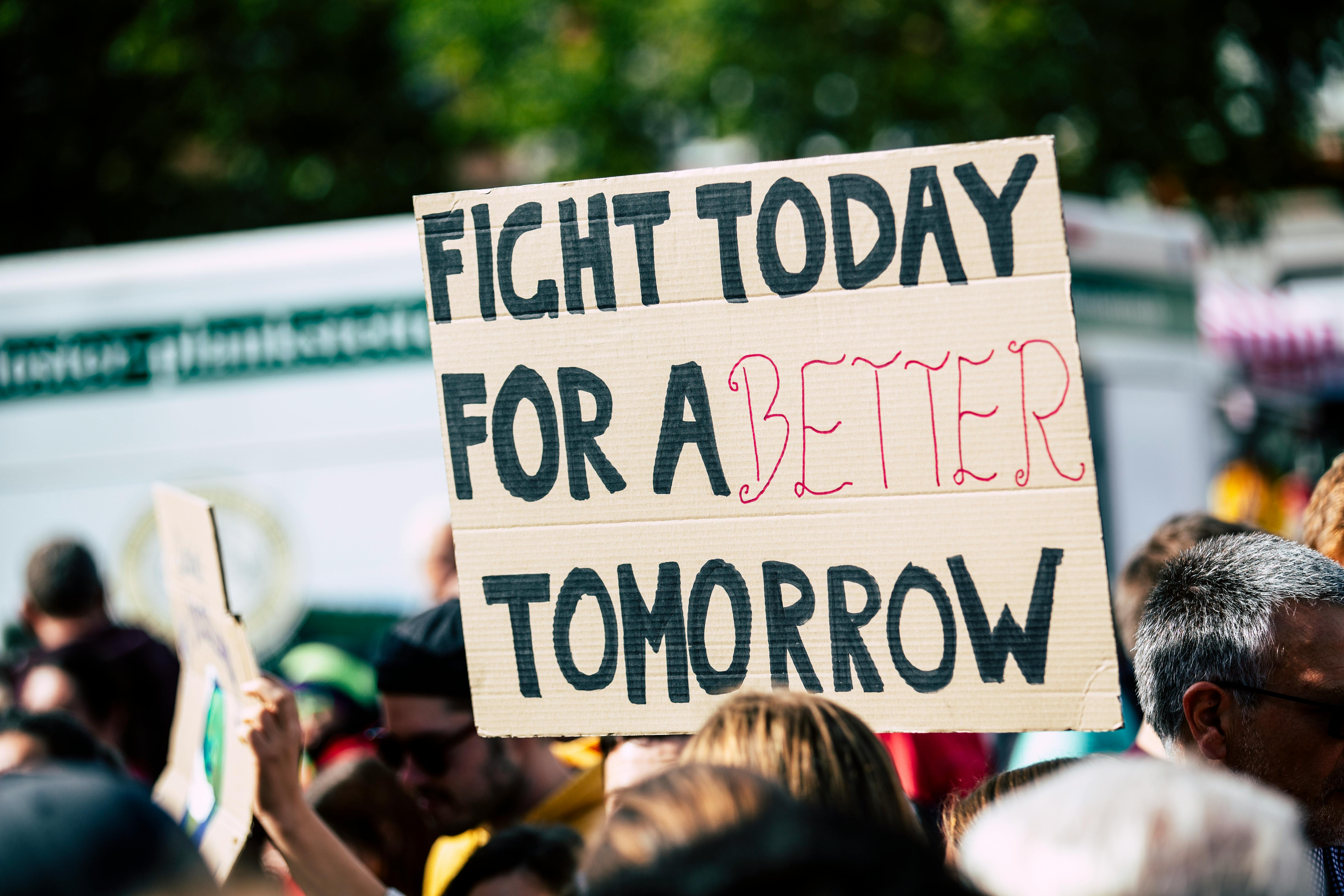
– Recovery is real. People do heal and rebuild their lives.
– All paths count. Whether spiritual, religious, or secular, every recovery journey is valid.
– Community matters. Supportive environments fuel recovery.
– Recovery is a choice. It’s voluntary, not forced.
– People in recovery give back. They are part of the solution, not the problem.
– Recovery spreads. It’s contagious in the best way. More visibility = more hope.
– Show addiction has solutions
– Offer real-life proof of recovery
– Fight stigma
– Improve treatment access & quality
– Change policies to support recovery
– Build & connect RCOs
– Advocate for policy change
– Educate the public & providers
– Grow volunteer & funding support
– Celebrate recovery (rallies, events)
– Create recovery spaces (centers, schools, cafes)
– Mass Mobilization: 100+ RCOs, summits, media campaigns
– Policy Changes: Support for MH Parity Act, ACA, CARA
– Professional Impact: Recovery now a serious field of study
– Expanded Support: More recovery schools, homes, cafes
– Cultural Shift: New language, symbols, media for recovery
– Global Reach: Movements in UK, Canada, Brazil, Japan, etc.
– Risk of backlash, commercialization, and ethical issues
– Need for strong standards in peer recovery support
– Sustaining momentum long-term
How it's going here at home

Back in 1998: That’s when the movement really started.
Pro-Act, Rase Project – grass-roots Recovery Community Organizations were funded through a federal grant to provide Peer Support in their communities – Philadelphia and Harrisburg
Pro-A was formed as a state-wide organization supporting the peer support movement
Peer Recovery Support was recognized by the state and certification for peer supporters was recognized, they have now expanded all across the state
The state made it official and recovery got a home in the government. The Department of Drug and Alcohol Programs was developed, within that department is the Office of Recovery
9 Recovery Hubs popped up to support people in every corner of PA.